E-commerce link building is harder than most niches—and more important.
You are not just competing with other small businesses. You are competing with Amazon, Walmart, eBay, and massive retail brands with dedicated SEO teams and virtually unlimited budgets. Without a strong backlink profile, your product and category pages simply cannot rank.
At BacklinksHatch, we have run link-building campaigns for e-commerce brands across the UK, US, Australia, and Canada. After 500+ placements in this space, I can tell you exactly what works, what does not, and how to build backlinks that actually move rankings for product and category pages. According to Ahrefs, e-commerce sites that actively build backlinks see 3x more organic traffic growth than those that rely on content alone.
Why E-commerce Link Building Is Different
Most link-building guides focus on content sites and service businesses. E-commerce has unique challenges:
- Product pages are hard to link to—nobody naturally links to a product listing
- Category pages need authority, but are even harder to earn links for
- Competitors include Amazon and major retailers with DR 80-90+
- Thin content on product pages makes it harder for guest posters to connect
- Seasonal inventory changes mean pages come and go
The solution is a multi-layered approach—combining different link-building techniques specifically suited to e-commerce architecture.
Why Backlinks Are Critical for E-commerce SEO
Google’s algorithm relies heavily on backlinks to determine which pages deserve to rank for commercial keywords. Semrush research shows that referring domains are one of the top 3 ranking factors for commercial and transactional keywords—exactly the keywords e-commerce sites need to rank for.
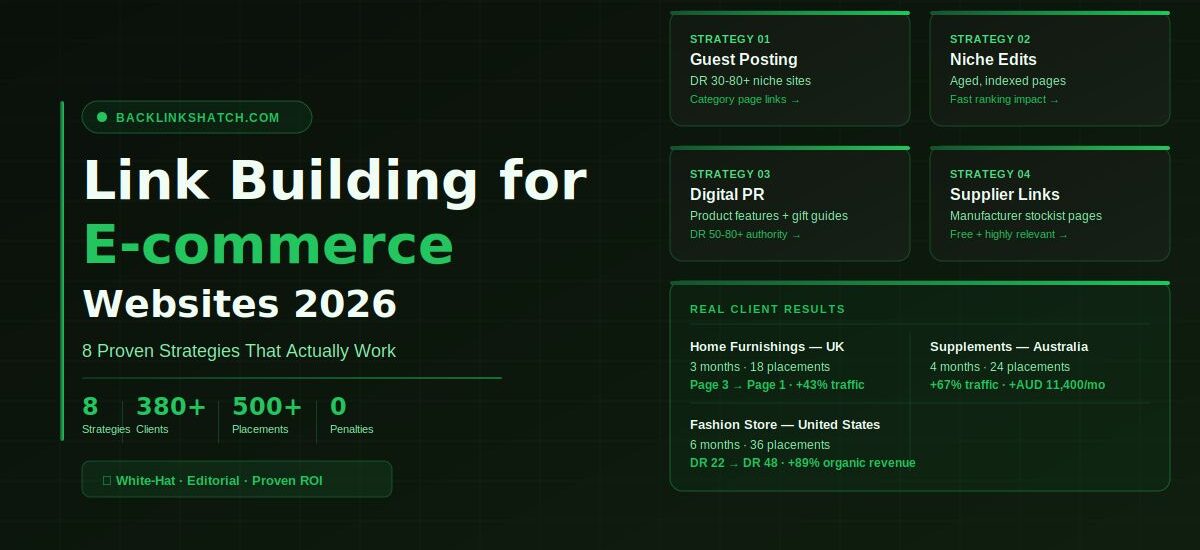
A real example from BacklinksHatch: An e-commerce brand in the UK selling home furnishings came to us stuck on page 3 for their main category keyword. Their competitors on page 1 had 40-80 referring domains to that specific page. They had 6.
After 3 months of targeted link building — 6 placements per month on DR 40-60 home decor, lifestyle, and interior design sites — they moved to page 1. Organic traffic increased by 43%, and monthly revenue from organic grew by £6,200.
8 Link Building Strategies That Work for E-commerce
1. Guest Posting on Niche-Relevant Blogs
Guest posting remains the most reliable link-building strategy for e-commerce—but the approach is different from service businesses.
For e-commerce, target blogs and publications your customers actually read:
- Fashion e-commerce → style blogs, fashion magazines, lifestyle publications
- Health supplements → wellness blogs, fitness sites, nutrition publications
- Tech products → tech review sites, gadget blogs, consumer electronics publications
- Home goods → interior design blogs, home improvement sites, lifestyle magazines
The key: link to your category pages or buying guides — not your homepage. Category page links are worth far more for ranking product keywords.
At BacklinksHatch, our guest post service for e-commerce clients focuses specifically on niche-relevant publications with real audiences—the kind of readers who might actually buy your products.
2. Niche Edits to Category and Product Pages
Niche edits — link insertions into existing, indexed content — are particularly powerful for e-commerce because they can target specific category pages directly.
Instead of hoping a guest post editor allows a product page link, you find aged content about topics related to your products and insert a contextual link to your category page where it naturally fits.
Example: An aged article about ‘best running gear for beginners’ on a fitness blog—a sporting goods e-commerce site inserts their running shoes category page link contextually.
We typically see ranking movement on e-commerce category pages within 4-6 weeks of niche edit placements—faster than most other techniques.
3. Broken Link Building from Competitor Backlinking
This technique involves finding pages in your niche that link to competitors—and then finding broken links on those pages to offer your content as a replacement.
- Enter your top 3 competitors into Ahrefs
- Export their backlink profiles — filter for DR 30+ sites
- Check each referring page for broken outbound links
- Create content that matches the broken link’s topic
- Reach out to the site owner — offer your page as a replacement
For e-commerce, buying guides and product comparison pages work best as replacement content. These pages naturally attract links and are easy to pitch as replacements for broken resource links.
4. Digital PR and Product Features
Getting your products featured in online publications—gift guides, product roundups, best-of lists—is one of the most powerful e-commerce link-building strategies.
- Pitch to journalists writing gift guides for your product category
- Submit products to ‘best of’ roundup articles in your niche
- Reach out to bloggers who review products in your category
- Create original research or data about your industry—journalists love to cite statistics
Links from these features often come from DR 50-80+ publications—exactly the high-authority links that move e-commerce rankings significantly.
5. Supplier and Manufacturer Links
If you stock products from manufacturers or suppliers, many of them have ‘where to buy’ or ‘authorized retailer’ pages on their websites. These are easy, legitimate links that many e-commerce stores overlook.
- List all your suppliers and manufacturers
- Check if they have a ‘find a retailer’ or ‘stockists’ page
- Email their marketing team and ask to be listed
These links are highly relevant — a manufacturer linking to a retailer of their products is exactly the kind of natural, contextual link Google trusts.
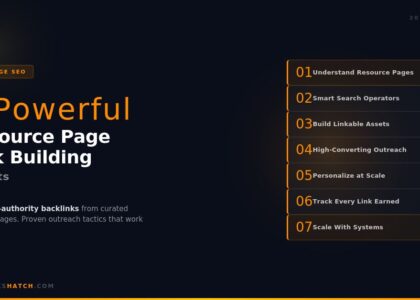
6. Resource Page Link Building
Resource pages in your niche — curated lists of helpful websites and tools — are excellent link targets for e-commerce buying guides and educational content. We have a detailed guide on the resource page link building with outreach templates.
For e-commerce, create resource pages on your own site first — comprehensive buying guides, size guides, care guides — that genuinely deserve to be linked to. Then pitch these resources to relevant sites.
Need help with outreach? BacklinksHatch handles resource page link building as part of our full link-building service for e-commerce clients.
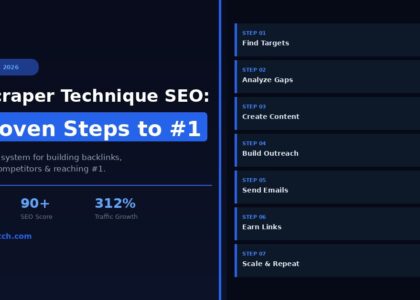
7. Skyscraper Content for Your Category
Create the most comprehensive buying guide in your product category — then reach out to sites that have linked to inferior versions of the same content.
Example: If you sell coffee equipment, create the definitive guide to home espresso machines—with real comparisons, user data, and expert quotes. Then find sites linking to thinner versions of the same guide and pitch yours as the better resource.
This technique works because you are targeting proven link sources — sites that have already demonstrated a willingness to link to this type of content.
8. Unlinked Brand Mention Reclamation
As your e-commerce brand grows, people mention it online without linking to you. These unlinked mentions are the easiest backlinks you can get — you just need to find them and ask.
- Set up Google Alerts for your brand name and product names
- Use Ahrefs Content Explorer to find unlinked mentions
- Email the author—thank them and politely ask for a link
Most people are happy to add the link—they already liked your brand enough to mention it. Conversion rates on these requests are very high — typically 30-50% in our experience.
E-commerce Link Building Strategy Comparison
| Strategy | Difficulty | Speed | ROI | Best For |
| Guest Posting | Medium | 6-10 wks | High ✅ | Category pages |
| Niche Edits | Low | 3-6 wks ✅ | High ✅ | Product/category pages |
| Digital PR | High | Variable | Very High ✅ | Brand authority |
| Supplier Links | Very Low ✅ | Fast ✅ | Medium | Any e-commerce store |
| Brand Mentions | Very Low ✅ | Fast ✅ | High ✅ | Growing brands |
Which Pages Should You Build Links To?
This is where most e-commerce businesses get it wrong. They build all their links to the homepage, but the pages that need authority most are category and product pages.
| Page Type | Priority | Best Link Type |
| Category Pages | 🔴 Highest | Guest posts + niche edits |
| Buying Guides / Blog | 🟡 High | Resource pages + skyscraper |
| Homepage | 🟢 Medium | Brand mentions + supplier links |
| Product Pages | 🟢 Medium | Digital PR + product features |
Real E-commerce Link Building Results — Backlinks Hatch
Here are three real client results from our e-commerce link-building campaigns:
| Client | Timeline | Links Built | Result |
| Home furnishings — UK | 3 months | 18 placements | Page 3 → Page 1, +43% traffic |
| Supplements — Australia | 4 months | 24 placements | +67% organic traffic, +AUD 11,400/mo |
| Fashion — US | 6 months | 36 placements | DR 22 → DR 48, +89% organic revenue |
How Long Does E-commerce Link Building Take?
- First ranking movements on category pages: 6-10 weeks
- Noticeable traffic growth: 3-4 months of consistent placements
- Significant revenue impact from organic: 4-6 months
- Competing with major retailers on competitive keywords: 9-12+ months
Consistency is everything. E-commerce link building is not a one-time project — it is an ongoing investment that compounds over time.
Common E-commerce Link Building Mistakes to Avoid
After running 500+ placements for e-commerce clients, these are the most common mistakes we see:
- Building all links to the homepage—category pages need the authority, not your homepage
- Targeting irrelevant niches—a fashion store does not benefit from links on a tech blog
- Building links to seasonal pages that get deleted—always link to permanent category pages
- Buying bulk cheap links—50 links from DR 10 sites will not beat your competitors’ DR 50+ backlink profile
- Ignoring supplier link opportunities—these are free, easy, and highly relevant
- Expecting results in 2-3 weeks—e-commerce link building is a 3-6 month minimum investment
- Using exact-match anchor text every time—’buy running shoes online’ as anchor on every link looks manipulative
E-commerce Link Building Quick Start Checklist
If you are starting from scratch, follow this priority order:
| Action | Priority |
| Set up Google Search Console and check current backlink profile | 🔴 Week 1 |
| Contact all suppliers and manufacturers—ask to be listed on their stockist pages | 🔴 Week 1 |
| Set up Google Alerts for brand name—reclaim unlinked mentions | 🔴 Week 1 |
| Identify the top 5 category pages that need the most link authority | 🟡 Week 2 |
| Identify top 5 category pages that need the most link authority | 🟡 Week 2 |
| Start guest posting campaign—4-6 placements per month on niche-relevant DR 30+ sites | 🟡 Month 1 |
| Add niche edits for priority category pages—faster ranking impact | 🟡 Month 1-2 |
| Create buying guides and resource content that earns natural links | 🟢 Month 2+ |
| Scale with digital PR—pitch products to journalists and gift guides | 🟢 Month 3+ |
Conclusion
E-commerce link building in 2026 requires a strategic, multi-layered approach—not just guest posting, not just niche edits, but a combination that targets the right pages with the right links from the right sites.
Here is the priority order for most e-commerce businesses:
- Start with supplier links and brand mention reclamation — easy wins first
- Run guest posting campaigns targeting category pages on niche-relevant blogs
- Add niche edits for faster ranking impact on priority category pages
- Build buying guide content that earns natural links over time
- Scale with digital PR as your brand grows
The businesses that win in e-commerce SEO are the ones that treat link building as a long-term, consistent investment — not a one-time fix.
At BacklinksHatch, we have helped e-commerce brands across 4 continents grow their organic traffic and revenue through targeted, editorial link building. If you want to start building links for your e-commerce store, view our guest post services or contact us for a custom quote.
WhatsApp: +92 319 6107193
Email: info@backlinkshatch.com
Related Posts on BaBacklinks Hatch
- How to Build High-Quality Backlinks in 2026
- 7 White Hat Link Building Techniques That Work
- Guest Posting Pricing: How Much Should You Pay
- 5 Reasons Niche Edits Are Still Safe for SEO
- Why Every Business Needs Link Building Services
FAQs
How many backlinks does an e-commerce site need?
It depends on your competition. Check how many referring domains your top competitors have to their category pages—then set a realistic target to match or exceed that. For most competitive e-commerce niches, 40-100+ referring domains to key category pages are needed for page 1 rankings.
Should I build links to product pages or category pages?
Prioritise category pages—they rank for broader, higher-volume keywords and pass authority down to product pages. Build links to product pages only for your highest-margin or most competitive individual products.
Can I do e-commerce link building myself?
Yes — but it is time-consuming. Outreach, content writing, site vetting, and follow-up easily consume 10-15 hours per week. Most e-commerce business owners find it more cost-effective to outsource to a specialist agency so they can focus on running their store.
How much does e-commerce link building cost?
Quality guest post placements for e-commerce typically cost $149-$300 per link, depending on DR. At BacklinksHatch, our packages start at $149 per placement—all inclusive. See our full guest posting pricing guide for details.
Is link building safe for e-commerce after Google’s 2026 updates?
Yes — editorial link building from real, niche-relevant websites is exactly what Google rewards. The March 2026 update targeted spam and AI content farms, not legitimate guest posts and niche edits on genuine sites.