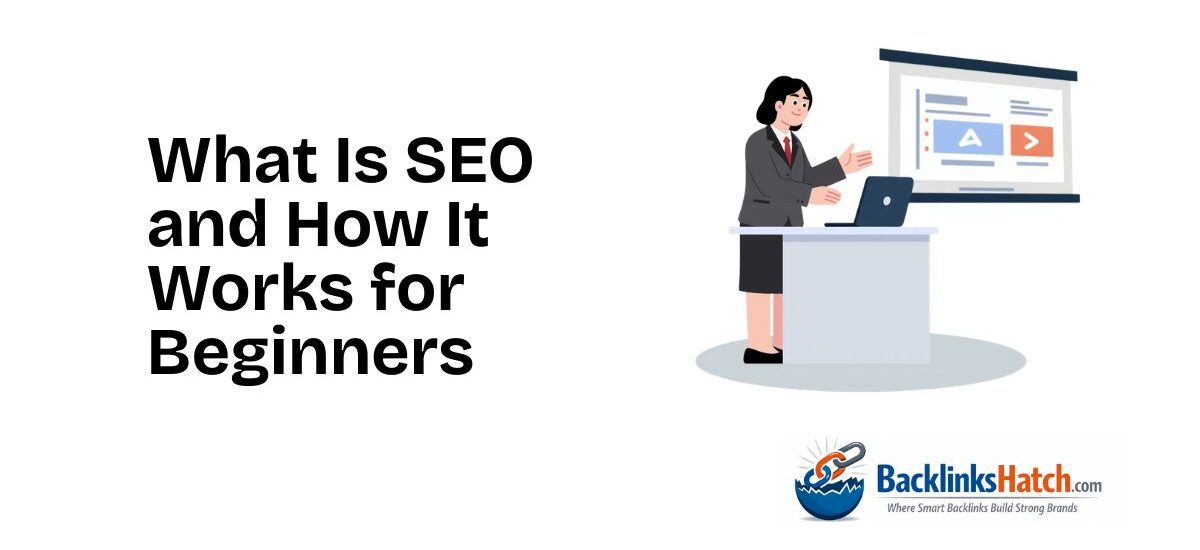
If you are starting a blog, website, or online business, you have probably heard people ask What is SEO, and why is it so important for online growth. SEO, also known as search engine optimization, is the process of improving a website so it appears higher in search engine results when people search for information online. Search engines such as Google Search analyze billions of pages and display the most relevant results for users.
Understanding What Is SEO is essential because most online experiences begin with a search engine. If your website does not appear in search results, potential visitors may never find your content. By applying effective SEO strategies, optimizing website structure, and publishing helpful information, businesses and bloggers can increase organic search traffic, improve search visibility, and build long-term authority online.
Table of Contents
SEO Definition
SEO (Search Engine Optimization) is the process of optimizing a website to improve its visibility in search engine results and attract organic traffic by using relevant keywords, high-quality content, backlinks, and technical improvements.
Why Understanding What Is SEO Is Important for Online Success
How Search Engines Discover and Rank Websites
Search engines use automated programs called web crawlers or bots to explore websites across the internet. These crawlers scan web pages, follow links, and store information in a massive database known as the search index. When someone searches for a topic, the search engine quickly analyzes this index and selects pages that best match the query based on Google ranking factors and search intent.
Several elements influence rankings, including content relevance, keyword optimization, backlinks, website authority, page speed, and user experience. Websites that publish helpful, accurate, and well-structured content tend to perform better in search results. By understanding these signals, beginners can start improving their website optimization and increase the chances of ranking higher.
The Role of Organic Traffic in Website Growth
One of the biggest benefits of SEO is the ability to generate organic search traffic. Organic traffic refers to visitors who find your website naturally through search results instead of paid advertisements. These visitors are usually more valuable because they are actively searching for information related to your content.
For example, if someone searches for “SEO tips for beginners,” search engines analyze thousands of pages and show the most useful ones. If your content answers the user’s question clearly and effectively, it has a higher chance of appearing on the first page. Over time, strong SEO can lead to consistent traffic growth and increased online authority.
Core Components of SEO
On-Page SEO Optimization
On-page SEO focuses on optimizing the elements within a webpage so search engines can easily understand its content. This includes improving title tags, meta descriptions, heading structure, and performing effective keyword research. Proper optimization ensures that the content clearly communicates its topic to search engines.
Important on-page SEO practices include:
- Writing high-quality content
- Using relevant keywords
- Optimizing headings and subheadings
- Adding internal links
- Improving image optimization
- Enhancing readability and structure
Modern SEO relies heavily on semantic SEO, where search engines analyze the overall meaning of content instead of just matching keywords. By using related search terms, answering common questions, and providing valuable information, websites can improve their content relevance and ranking potential.
Off-Page SEO and Website Authority
While on-page SEO focuses on your website itself, off-page SEO refers to activities outside your website that influence rankings. The most important element of off-page SEO is backlinks, which are links from other websites pointing to your content.
Search engines view backlinks as signals of trust and credibility. When reputable websites link to your pages, it indicates that your content is useful and reliable. This improves your domain authority and increases the chances of ranking higher in search results.
Common off-page SEO strategies include:
- Guest posting
- Blogger outreach
- Content marketing
- Brand mentions
- Social media promotion
These strategies help strengthen your website’s reputation and authority in your niche.
Technical SEO: The Foundation of Search Visibility
Website Structure and Crawlability
Technical SEO focuses on improving the technical aspects of a website so search engines can crawl and index pages efficiently. Even high-quality content may struggle to rank if search engines cannot properly access or understand the site structure.
Important technical factors include site architecture, URL structure, XML sitemaps, and robots.txt configuration. These components help search engines understand how your website is organized and which pages should appear in search results. A clear structure also improves navigation, making it easier for visitors to find relevant information.
Website Speed and User Experience
Search engines prioritize websites that provide fast and smooth browsing experiences. Page speed has become a major ranking factor because users prefer websites that load quickly. If a page loads slowly, visitors may leave before viewing the content.
Improving website performance often involves optimizing images, enabling caching, and choosing reliable hosting services. Search engines also evaluate Core Web Vitals, which measure loading performance, responsiveness, and visual stability. Websites that perform well in these metrics usually achieve better rankings and improved user experience.
Types of SEO and Their Key Differences
| SEO Type | Main Focus | Purpose |
| On-Page SEO | Content, keywords, headings | Improve page relevance |
| Off-Page SEO | Backlinks and authority | Build trust and reputation |
| Technical SEO | Website speed and structure | Help search engines crawl pages |
All three types work together to form a complete SEO strategy. Ignoring one aspect can limit the effectiveness of your optimization efforts.
Key SEO Ranking Factors That Affect Website Rankings
What Is SEO and Why Does It Matter for Websites
To truly understand What Is SEO, it is important to know that search engines rank pages based on multiple signals. One of the most critical factors is content quality. Search engines aim to deliver the most helpful and relevant results to users, which means content must answer questions clearly and match search intent.
High-quality content typically includes detailed explanations, useful examples, and well-structured information. Using semantic keywords, improving readability, and organizing content with headings also improve visibility. Websites that consistently publish helpful and informative content tend to build stronger search authority and long-term search visibility.
Backlinks and Website Authority
Another powerful ranking factor is website authority, which is heavily influenced by backlinks. Backlinks act like recommendations from other websites. When trusted websites link to your content, search engines view it as a signal that your page contains valuable information.
Many websites build backlinks through strategies such as guest blogging, digital PR, and content promotion. Over time, earning links from reputable sources strengthens your website’s credibility and improves rankings across multiple keywords.
Benefits of SEO for Websites and Businesses
SEO offers long-term advantages for businesses, bloggers, and content creators. Unlike paid advertising, SEO focuses on sustainable growth through optimized content and improved website performance.
Key benefits include:
- Increased organic traffic
- Better search engine visibility
- Higher brand credibility
- Long-term marketing results
- Cost-effective digital marketing
- Improved user experience
- Stronger website authority
Because of these benefits, SEO is considered one of the most powerful strategies in digital marketing.
Beginner SEO Checklist
If you are just starting your journey and wondering What Is SEO, this beginner checklist will help you implement the basic steps of optimization.
- Perform proper keyword research
- Write valuable and informative content
- Optimize title tags and meta descriptions
- Use proper heading structure (H1, H2, H3)
- Add internal links between related pages
- Improve website speed and performance
- Ensure your website is mobile-friendly
- Build high-quality backlinks
Following these steps helps beginners gradually improve their website’s visibility and ranking potential.
Conclusion
Learning What Is SEO is the first step toward building a successful website or online business. SEO involves improving content quality, optimizing website structure, and building authority through backlinks. When these strategies are applied correctly, websites can gain higher rankings, attract targeted visitors, and achieve long-term growth.
Now that you understand What Is SEO, you can begin optimizing your website and improving its visibility in search results. However, building strong authority and earning powerful backlinks often requires experience and the right strategy.
If you want high-quality guest posts and strong backlinks to grow your website, explore professional SEO services at:
https://backlinkshatch.com/
FAQs
What is SEO in simple terms?
SEO is the practice of improving a website so it ranks higher in search engine results. It involves content optimization, technical improvements, and link building to increase website visibility and organic traffic.
How long does SEO take to show results?
SEO is a long-term strategy. Most websites start seeing noticeable improvements within three to six months, depending on competition, content quality, and optimization efforts.
Why are backlinks important in SEO?
Backlinks are important because they signal trust and authority to search engines. When reputable websites link to your content, it improves your domain authority and increases the chances of ranking higher.
Can beginners learn SEO easily?
Yes. Beginners can learn SEO by understanding keyword research, content optimization, and technical SEO basics. With consistent practice and learning, anyone can develop strong SEO skills.